
A Blog about Resourcefulness in the Hardest Times...
A Valley of Diamonds
“I have learned to be content whatever the circumstances.”
— Philippians 4:11
Enduring Hard Seasons Without Losing Heart
The beauty of "making do" with what you have...
Life is hard. I feel the exhaustion creeping in just writing that sentence. The struggles we have faced over the last few months have felt like a never-ending dumpster fire. It started with the truck breaking down this winter and seemed to spiral from there.
Spring is supposed to bring renewed purpose and fresh opportunity, but instead I have felt burdened — like I am dragging an anchor behind me everywhere I go. Heavy on my soul.
Part of the problem, if I am being honest, is that I have been spending too much time on social media. I go there trying to promote our rescue, only to find myself watching everyone else’s success. Their growth. Their support. Their happy moments. And before long, I start feeling like I am failing.
Spring is usually our most profitable season. It is the time of year where multiple streams of income help replenish what winter depleted. But this year has been different. Between lack of community support, rising costs, regulations, license fees, and setback after setback, I have found myself wondering how we are supposed to move forward when it feels like we are constantly struggling just to stay afloat.
I admit I have been battling depression because of it. That heavy feeling of “why bother?” when you work and work and work, only to feel like a hamster spinning endlessly on a wheel.
The other day I found myself sitting on the couch binge watching an older show called The Middle. In one episode, the wife accidentally buys a tiny jar of eye cream thinking it cost twenty dollars, only to discover it was actually two hundred. Naturally, it sparks an argument between the couple.
After days of barely speaking, the husband finally says something that stopped me in my tracks:
“I’m not mad about the mistake. I’m mad because it only took $200 to send us over the edge.”
That right there felt painfully relatable.
I know we are not the only people struggling right now. So many families are living paycheck to paycheck. Even people who once felt financially stable are feeling squeezed by rising costs and constant unexpected expenses. It seems like more and more people are one surprise bill away from falling apart.
But then the wife responds with something that completely changed the perspective:
“Remember when our son was born? Five dollars would send us spiraling. Now it’s $200. I think that’s improvement.”
And honestly? That stayed with me.
Because maybe contentment does not mean life is easy. Maybe it does not mean having abundance all the time or never struggling financially, emotionally, or spiritually. Maybe contentment is learning how to endure difficult seasons without letting bitterness, envy, and comparison consume you.
Envy is a green-eyed beast. When we focus too much on what others have, we stop seeing what God has already placed in our own hands.
I think it is human nature to look at other people’s lives with longing. Their house. Their car. Their marriage. Their children. Their opportunities. It happens to all of us at some point. But I believe social media has amplified this struggle in ways we were never really prepared for.
Entire industries now profit from making people feel inadequate. There are influencers carefully crafting lives that appear perfect, effortless, beautiful, wealthy, and unattainable. And many people are exhausting themselves chasing a fantasy that was never fully real to begin with.
The problem is that every life is different. Every family carries burdens we cannot see. Every success story has sacrifices behind it that rarely make it onto a screen.
When we spend too much time peeking through the windows of other people’s lives, we slowly lose sight of our own blessings. We stop appreciating the things God has already entrusted to us. Our gifts. Our purpose. Our relationships. The opportunities sitting quietly in front of us while we are distracted by what someone else has.
Comparison has a way of poisoning gratitude. Worse, it can create division inside our own homes. When someone constantly longs for another life, another income, another relationship, or another version of success, the people closest to them may begin to feel like they are not enough.
Peace becomes difficult to maintain when we are always measuring our lives against someone else’s highlight reel.
That is why this verse feels so painfully accurate:
“A heart at peace gives life to the body, but envy rots the bones.” — Proverbs 14:30
Envy does not just steal joy. It drains peace, distorts perspective, and blinds us to the beauty and purpose still present in our own lives.
It has been unusually cold the last couple of weeks, especially in the mornings. Spring is making a very slow entrance in my part of the world. Most mornings I walk outside to frozen ground and frost clinging stubbornly to the grass while I head out to do chores.
I suppose I could spend my mornings muttering under my breath while bundling myself back into winter gear in the middle of May, but it is hard not to notice the way the frost catches the morning sunlight. For a few brief moments, the fields look like a valley of diamonds shimmering across the earth.
By the time I finish chores, the sun has usually warmed things enough that I am peeling off layers and appreciating the gentler temperatures. And somewhere in those quiet mornings, I realized how easy it is to focus on everything we cannot do instead of finding peace in the moment we are currently standing in.
Contentment does not mean giving up ambition, dreams, or goals. It does not mean settling for mediocrity or refusing to grow. It simply means refusing to let desire harden into bitterness.
When it comes to the rescue, I often struggle with feeling like I am not doing enough. There are so many animals that need help. So many people hurting. So many situations that feel urgent and overwhelming. Realistically, no one person — and no single rescue — could possibly carry it all.
At some point, we have to learn to be content with faithfully doing the work placed in front of us while trusting God with the things beyond our control.
That does not mean we stop trying. It means we continue showing up every day, putting in the effort, doing what we can with the resources we have, and trusting that even small acts of faithfulness still matter.
Sometimes contentment is simply accepting that we were never meant to carry the entire world on our shoulders.
I believe God develops our character far more in the stretching seasons than in the abundant ones. Hard seasons force us to adapt. To endure. To become resourceful in ways we may never have learned otherwise.
On the show, the couple did not magically stumble into financial freedom overnight. They picked up extra jobs. They worked longer hours. They adjusted their lifestyle and kept pushing forward until their circumstances slowly changed.
That part resonated with me because I married a resourceful man.
He has lived through some incredibly harsh and lean seasons in life. He has rebuilt himself more times than I can count, faced setbacks that would have broken many people, and somehow still found a way to keep moving forward. He always pulls through.
To be fair, I do not think I was doing badly on my own before meeting him either. I have overcome some significant hardships myself. Neither of us grew up with much, so resourcefulness became part of who we are long before we ever met each other.
When times were hard, you learned to make do with what you had.
You fixed things instead of throwing them away. You learned how to stretch pantry staples into meals instead of constantly eating out. You worked extra hours when unexpected bills arrived. You adapted because there was no other option.
And honestly, there is something valuable about that kind of resilience.
I think people sometimes confuse contentment with complacency, but they are not the same thing at all. Resourceful people are rarely complacent. They work hard. They solve problems. They adapt. They persevere. The difference is that they do not allow difficult seasons to completely consume their identity or rob them of gratitude.
Lack does not have to mean helplessness.
Sometimes the very seasons that stretch us are also the seasons teaching us endurance, humility, creativity, gratitude, and faith.
To this day, we still have to be resourceful when caring for the animals. Of course we would love to install brand new fencing, build beautiful barns, and have everything perfectly finished and polished. But the reality is that those things are not financially feasible for us right now.
So instead, we adapt.
We repurpose old materials. We mend fences with scrap wood. We build shelters out of things other people throw away. We patch, repair, rebuild, and make do with what we have available in the moment.
And honestly, there is a certain kind of humility in that.
It may not always look impressive from the outside, especially in a world obsessed with appearances and perfection, but the animals do not care whether their shelter came from expensive materials or salvaged ones. They care that they are safe, fed, warm, and loved.
I think sometimes we become so focused on what we wish we had that we fail to recognize the value in what we are already capable of doing with the resources currently in our hands.
Resourcefulness is not glamorous. Most of the time it looks like hard work, tired hands, repaired fences, secondhand supplies, and finding creative solutions when money is tight. But there is also something deeply meaningful about refusing to give up simply because circumstances are difficult.
If you look back at people who lived through the Great Depression, one of the leanest and most difficult periods in modern history, you see just how resourceful human beings can become when survival depends on it.
Families learned to make do with what they had. Women sewed clothing from flour sacks because buying new fabric was too expensive. People created simple recipes like “water pie” just to put something warm and filling on the table for their families. Nothing was wasted if it could be repaired, repurposed, patched, reused, or stretched a little further.
It was not glamorous. It was survival.
But it also revealed something important about the human spirit: people are often far more resilient and creative than they realize.
I think somewhere along the way, modern culture convinced many of us that struggle is failure. That if life is hard, if money is tight, or if things are not aesthetically perfect, then somehow we are falling behind. But some of the strongest generations before us were built during seasons of hardship, sacrifice, and uncertainty.
Resourcefulness was not something to be ashamed of. It was a skill. A mindset. A form of perseverance.
And maybe there is still value in that today.
Maybe there is dignity in learning how to work with what you have instead of constantly grieving what you do not. Maybe difficult seasons can still teach us gratitude, creativity, endurance, and appreciation for simple things that abundance often causes us to overlook.
There is a certain kind of peace that comes from learning to appreciate simple blessings.
Things like the dew glistening across the grass in the early morning. The warmth of the sun after a cold chore-filled morning. A quiet moment before the world fully wakes up.
We have a dog that was rescued from a puppy mill. He has a long list of health issues and probably always will, but my favorite thing about him is something incredibly simple. Whenever I am working, he quietly comes and sits at my feet. He does not ask for anything. He is just there — a calm and constant companion.
And honestly, those moments have become some of the most peaceful parts of my life.
Not because they are extravagant or exciting, but because they remind me that joy is often found in the smallest things if we are willing to slow down long enough to notice them.
No, we still do not have much by the world’s standards. But my husband and I do our best to make do with what we have. More importantly, we try to help others who are struggling too. Sometimes that looks like offering a warm meal. Sometimes it means lending a helping hand. Sometimes it simply means showing up and being present for someone who is hurting.
I think people underestimate how meaningful presence can be.
In a world that constantly pressures us to achieve more, own more, and become more, there is something deeply human about simply sitting beside someone in their difficult season and reminding them they are not carrying it alone.
Maybe that is part of contentment too — not just appreciating what we have, but learning how to share whatever we can, even if it feels small.
Life is hard. Or at least part of the time it is. The ebbs and flows of life can feel like the weight of the world is on your shoulders. Some seasons leave us exhausted, overwhelmed, discouraged, and wondering how much longer we can keep pushing forward.
But even in those seasons, we have to remember our purpose.
When life feels uncertain, prayer has a way of grounding us again. Not because every problem suddenly disappears, but because it shifts our focus away from fear, envy, and hopelessness and back toward faith.
I think in every season — especially the difficult ones — we should ask:
“God, how can I serve you right now?”
“What do you need from me?”
“How can I still be useful in this season?”
There is something powerful about changing our perspective from “Why is this happening to me?” to “How can I still grow, serve, and endure through this?”
Because opportunities still exist, even in hard seasons. Sometimes they just look different than we expected. Sometimes they are hidden inside difficult work, small acts of kindness, humble beginnings, simple meals, and quiet moments of perseverance.
God is always providing opportunities for growth, service, connection, and purpose. But envy has a way of blinding us to them. When we spend too much time focusing on what we lack or what someone else has, we stop seeing the blessings and possibilities sitting right in front of us.
Maybe that is why gratitude matters so much.
Gratitude quiets envy. It steadies the heart. It reminds us that even when life is difficult, there is still beauty to be found, purpose to fulfill, and meaningful work to do.
And sometimes surviving difficult seasons requires us to become a little creative, a little resourceful, and a lot more faithful as we endure the journey.
“And let us not grow weary while doing good, for in due season we shall reap if we do not lose heart.”
— Galatians 6:9
Closing Prayer
Heavenly Father,
Thank you for carrying us through both the abundant seasons and the difficult ones. When life feels heavy and our hearts become overwhelmed by comparison, disappointment, or fear, help us remember the blessings already surrounding us.
Teach us to quiet envy with gratitude. Help us find peace in simple moments, strength in hard work, and purpose even during seasons of struggle. Give us the wisdom to become resourceful, the courage to keep moving forward, and the faith to trust that You are still working even when life feels uncertain.
Remind us that our value is not measured by wealth, success, or appearances, but by the love, kindness, and faithfulness we show to others each day.
Show us how we can still serve You right where we are.
Amen.
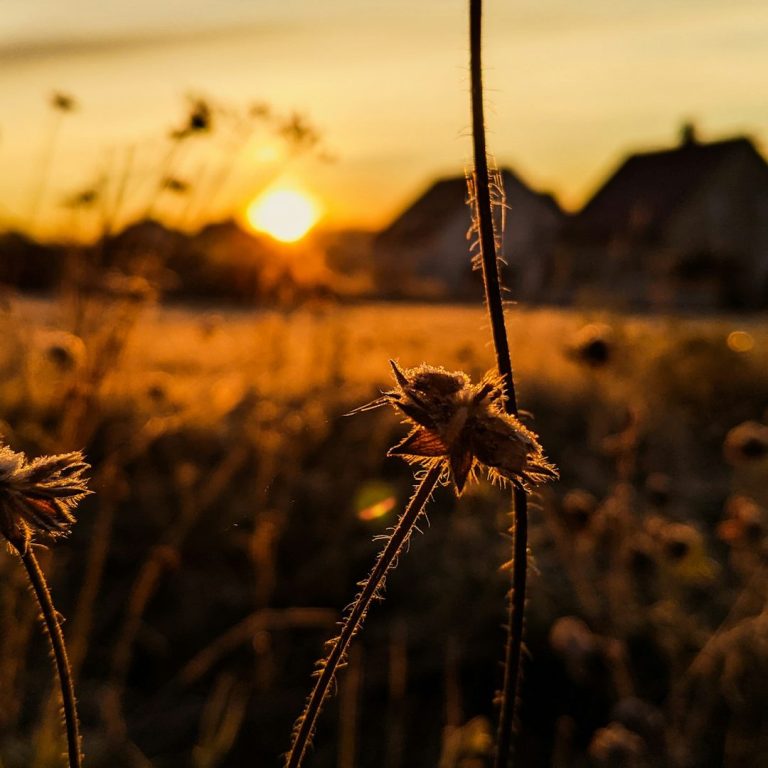
Reflections
Have I been spending too much time comparing my life to others instead of appreciating what God has already placed in my hands?
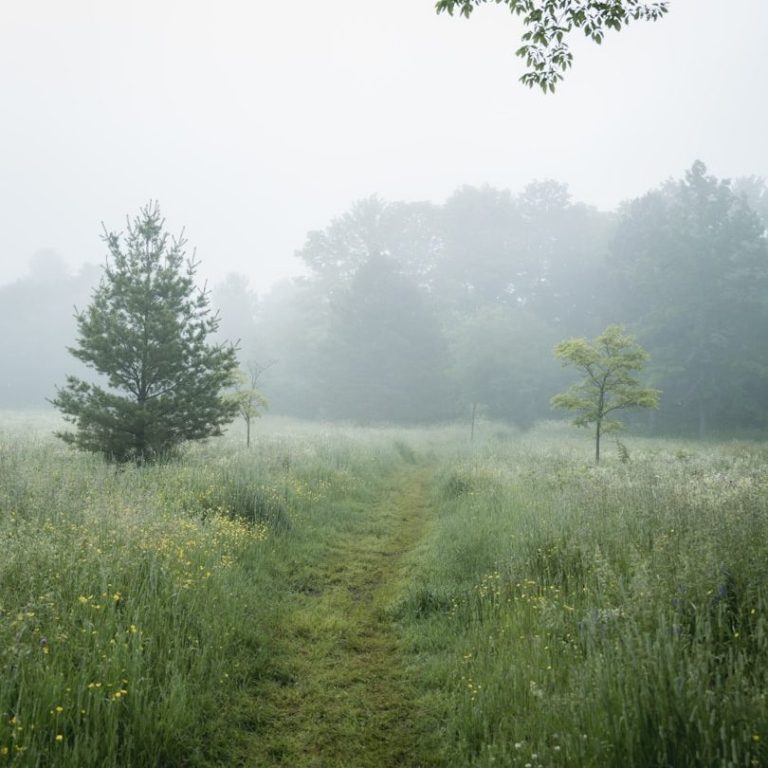
Reflections
What simple blessings in my daily life have I overlooked lately?
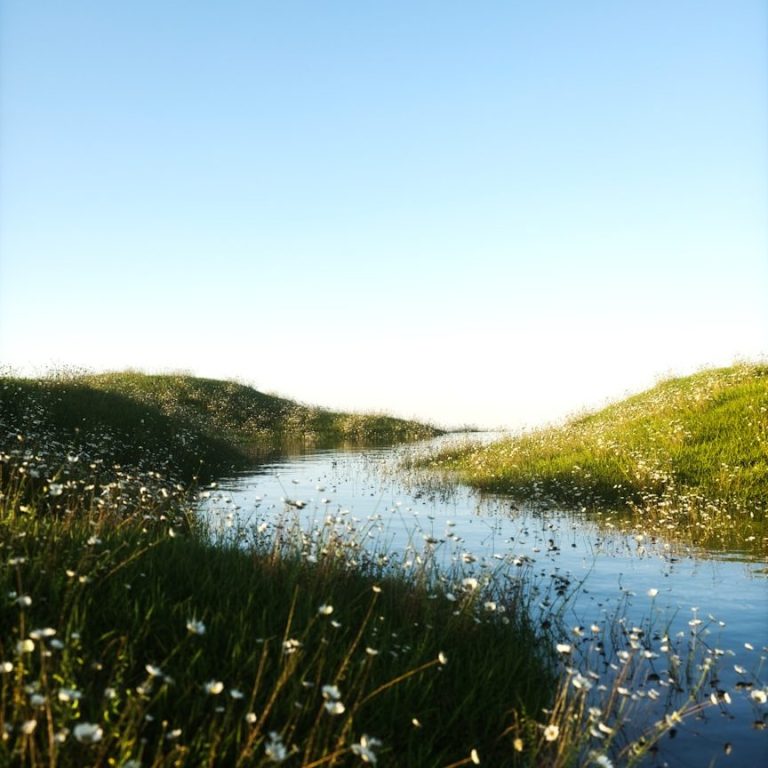
Reflections
How can I become more resourceful and faithful during this season instead of becoming discouraged by it?